Finding Your Safe Person
How to Share What You're Carrying Without Getting Burned

Introduction
Once in high school, I had to interview a family friend over the phone for a project on homeschooling. I had all my questions meticulously prepared, my pen poised, my teenage determination at full throttle. My plan was simple: call Mae, ask if she’d be willing to be interviewed, then ask if now was a good time.
But when Mae cheerfully said yes, she’d be happy to help, my nervous energy took over. I immediately launched into my first question - “So what made you decide to homeschool?” - without pausing for breath.
There was a gentle pause. Then: “Does it have to be right now, or could we do it later?”
The embarrassment that flooded through me was scorching. I stuttered through an apology, we scheduled a proper time, and the second call went smoothly (even if I was still internally cringing). Mae was completely kind about it - she probably forgot the whole thing in five minutes. But I suffered, replaying my blunder over and over, judging myself harshly for such a small misstep.
I’m sharing this awkward teenage moment because it illuminates something important about vulnerability: there’s a perfect trio required for sharing something deeply personal - like your abortion experience. You need the right person, the right timing, and the right approach. Choose the wrong person, and even perfect timing won’t help. Rush in without preparation, and you might end up feeling exposed and unsafe. But when you have all three elements aligned? It can be profoundly healing.
Why Finding Someone to Talk to Matters (More Than You Think)
If you’ve had an abortion and are experiencing burdensome, complex, maybe even conflicting emotions afterward, you might wish you had someone safe to talk to. And I don’t mean a therapist necessarily - not yet, anyway. Sometimes you just need to unload with someone who gets it. Someone who doesn’t judge, who loves and supports you exactly as you are.

But here’s the problem: many of us don’t know who that safe person is. And when you can’t identify them, the temptation is... to stuff it all down. Keep those emotions locked up tight.
Except - and we know this from countless sources, including Bessel van der Kolk’s groundbreaking book The Body Keeps the Score - holding things in never leads anywhere comfortable. It’s like trying to hold water in your cupped hands while walking uphill. Eventually, something’s going to leak out, and it’ll show up as chronic tension, mysterious fatigue, unexplained pain, digestive weirdness, or a dozen other symptoms we’ve somehow normalized as “just part of life.”
Spoiler alert: constant discomfort is not “just part of life.” Your body is trying to tell you something.
The bottom line? Finding a meaningful way to release stress from your body isn’t optional - it’s essential.
The Minefield of Finding Someone Safe
So how do you even begin to find a safe person to talk about abortion with - let alone your own abortion?
The political and religious climate around abortion is so viciously polarized that many people’s opinions are locked in concrete, making them completely unable to offer genuine help, sympathy, or compassion. It’s not always as simple as just asking someone in your community for support. You almost have to become a secret spy, testing people without them realizing it.
(Sound familiar? Yeah, like my awkward phone call, except with much higher stakes.)
How to Identify Potential Safe People
Start by observing the people already in your life. Ask yourself:
Who responds gently and kindly, even when things are messy? Notice who can tolerate beliefs different from their own without immediately launching into evangelist mode or debate-team energy.
Who takes responsibility for their own emotions? Is everything always someone else’s fault, or do you know someone who can admit when they’re wrong and actually make repairs?
Who are the listeners? Some people are talkers. Others ask thoughtful questions and keep the focus on you rather than redirecting everything back to themselves. You want the latter.
Who respects boundaries? Ultimately, this person needs to be trustworthy - which means not the person who “accidentally” shares everyone’s business at book club.
The Art of Testing the Waters
Let’s say you’ve identified one or two potential people. How do you “test” them without being obvious about it?
Start small. Share just the vulnerable tip of the iceberg - something general that could apply to almost anything:
“I’ve been going through a lot of emotional stuff lately.”
Then stop talking and observe their reaction carefully. This part is crucial.
Do they pause and give you space to continue if you want to? Or do their eyes widen as they immediately press for details?
If it’s the latter, pump the brakes. Keep it vague: “I’m working through it. I don’t want to share right now, but I wanted to let you know in case I’ve seemed a bit off.” That’s it. That’s enough.
But if they give you genuine space - the kind where you can feel their openness without pressure - and you feel safe, you might share just slightly more:
“It’s related to a really personal reproductive health decision I had to make.”
Again, wait. Observe. Don’t feel pressured to say more, regardless of how they respond. You’re still gathering information about whether this person is safe.
When You’re Ready to Share More Fully
If you’re feeling genuinely safe and want to share in more detail, ask permission first.
Yes, really.
You might be ready, but they might not be available right now. Nothing is worse than finally opening up about something vulnerable, only to realize your friend is in the middle of cooking dinner and is about to pull a roast out of the oven and then jump on a Zoom meeting in 10 minutes.
That’s awful for you and for them.
So ask: “Would you be willing to listen if I shared more? Are you available now, or should we find a better time?”
If now doesn’t work, that’s actually okay. Our instant-gratification culture makes waiting feel unbearable, but here’s the gift in it: that extra time gives you space to prepare for talking with this specific person about this specific thing. You might even write out what you want to say so it comes out the way you truly mean it.
If You Can’t Find Someone (Or Don’t Want to Talk to Someone You Know)
If you really can’t identify a safe person - or you simply prefer not to talk to anyone in your personal life - there are compassionate, non-judgmental resources available. The following are based in the U.S.:
The After Abortion Line: Call or text 844-289-4673, or email help@supportafterabortion.com
Exhale Pro-Voice: Text 617-749-2948 (serving the U.S. & Canada)
H3 Helpline: Call 866-721-7881
These services offer trained listeners who will talk with you anonymously, without judgment or agenda. There are also online and local peer support groups focused on confidential, non-political emotional support.
Call to Action
If you’re reading this and feeling ready to start opening up - or even just thinking about it - congratulations. That takes genuine courage.
Here’s your gentle homework: Spend some time this week simply noticing the people around you. Who listens well? Who responds with curiosity instead of judgment? You don’t have to share anything yet - just observe.
And remember: just because you’ve started opening up doesn’t mean you have to continue if you feel uncomfortable for any reason. You get to change your mind. You get to stop mid-sentence. Don’t let anyone bully or pressure you into sharing something you’re not ready to share.
Conclusion
Healing isn’t about forcing yourself to be vulnerable before you’re ready. It’s about moving thoughtfully, honoring your own pace, and finding the people who can hold space for your story without trying to fix, judge, or redirect it.
You’re not broken. You’re not too much. You’re carrying something heavy, and you deserve support that feels safe.
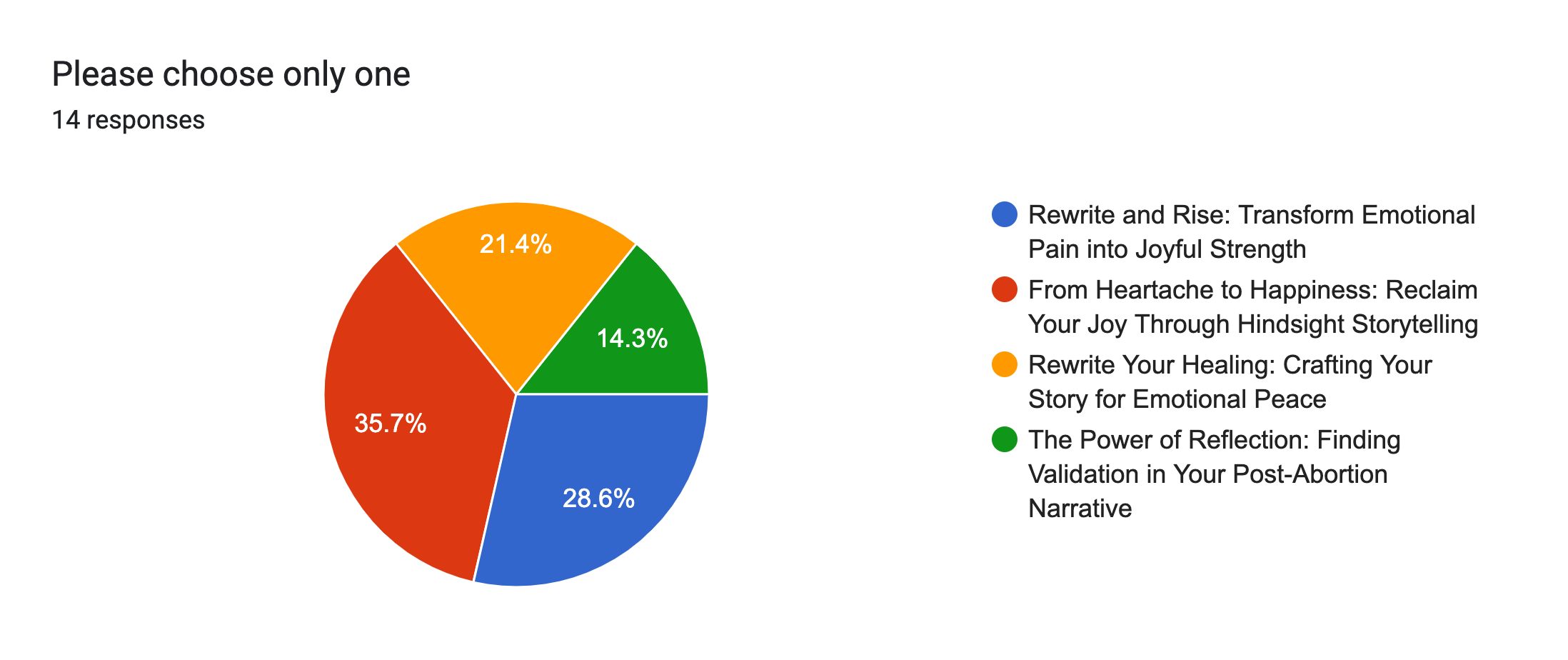
And speaking of support - I’m working on something I’m pretty excited about. I’m creating a workshop to help people rewrite their narrative in a way that allows them to achieve personal strength and reclaim joy. But I’m stuck. I can’t decide what to call it, and I’d love your input. Would you help me choose the title? *[Vote here for your favorite workshop title.] (Voting is open until December 10, 2025). Your vote doesn’t just help me - it makes you part of creating something that could be truly transformative for this community.
Next week, I’m going to share more about how to talk to someone - what to say, what not to say - and I’ll tell you about a time a friend came to me to share something vulnerable and I completely fumbled it. (Yes, I’m still a little ashamed about it, but sharing our mistakes is how we learn together.)
Until then: be gentle with yourself. You’re doing better than you think.
💛
What insights or tips do you have for finding someone safe to share vulnerably with? I’d love to hear what’s worked (or hasn’t worked) for you in the comments below. Sharing our experiences helps strengthen our community. 🙏🏻
*Note: Voting is now closed. Thanks to everyone who voted! Here’s what you said: